
Human Interaction vs. ChatGPT: Finding the Right Balance.
In today's world, technology has revolutionized the way we interact with each other, including in the workplace. The rise of chatbots and ChatGPT (Generative Pre-trained Transformer) models has made it possible for businesses to automate their HR processes and streamline their communication channels. However, as convenient as these tools may be, they cannot replace the value of human interaction. Finding the right balance between using chatbots and GPTs and maintaining a human touch is crucial for any HR department. As an HR professional, you need to understand the benefits and limitations of each tool and use them appropriately to meet your organization's needs. In this article, we'll explore the advantages and disadvantages of using chatGPTs in HR and provide tips on how to strike the perfect balance between technology and human interaction. So, let's dive in!
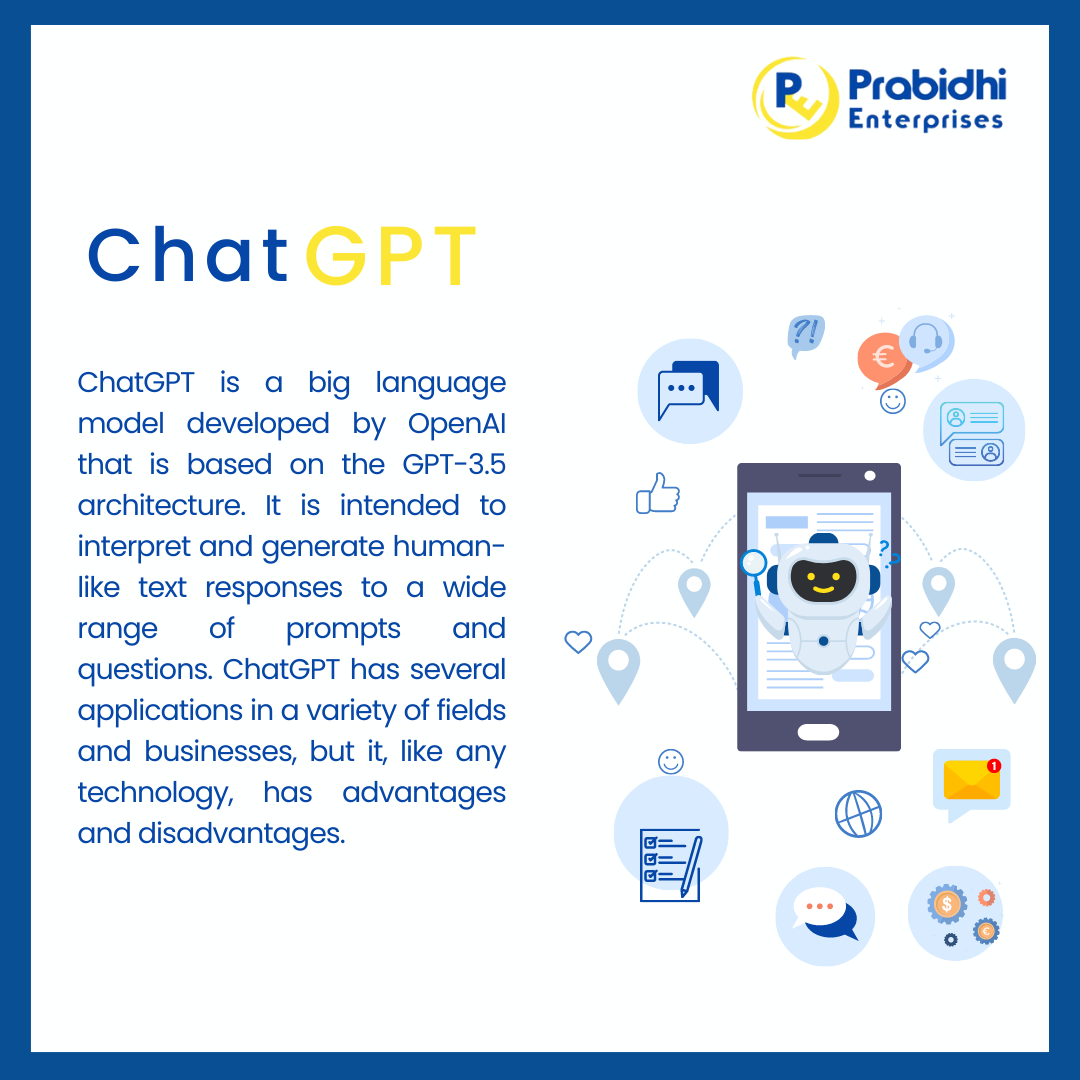
ChatGPT is an AI-based language model that has been pre-trained on a large corpus of text data. It can generate human-like responses to text inputs and is becoming increasingly popular for automating customer service, chatbots, and other communication tasks. GPT models use a deep neural network to analyze and understand the context of the input text and generate appropriate responses. This technology has been improved significantly in recent years, and GPT-3 (the latest version) is capable of generating highly coherent and natural language outputs.
The Importance of Human Interaction in HR
While technologies like chatbots and GPTs can automate many HR tasks, they cannot replace the value of human interaction in the workplace. Employees want to feel valued and heard and know that their concerns and opinions matter. Human interaction can help build trust, foster collaboration, and create a positive culture in the workplace. Furthermore, some HR tasks require a personal touch, such as disciplinary actions, performance reviews, and conflict resolution. In these situations, a chatGPT model cannot provide the same level of empathy, understanding, and judgment as a human HR professional.
The Benefits of Using ChatGPT in HR
Despite the importance of human interaction in HR, there are several benefits to using chatbots and GPT models. For one, they can save time and reduce costs by automating routine tasks such as answering FAQs, scheduling interviews, and sending reminders. This automation can free up HR professionals to focus on more strategic and creative tasks that require human skills, such as employee engagement, talent development, and culture building. Additionally, chatbots and GPT models can provide 24/7 availability, which can be helpful for employees who work remotely or have different time zones.
Finding the Right Balance Between Human Interaction and ChatGPT
The key to using chatbots and GPT models successfully in HR is to find the right balance between automation and human interaction. HR professionals must identify the tasks that can be automated without sacrificing the quality of communication and employee experience. They must also ensure that the chatbots and GPT models are properly trained and tested to provide accurate and relevant responses to employees' queries and concerns. Moreover, HR professionals must be available to intervene when necessary, especially in situations that require human judgment, sensitivity, and discretion.
Tips for Incorporating ChatGPT into Your HR Processes
Here are some tips for incorporating chatbots and GPT models into your HR processes:
1. Identify the tasks that can be automated without sacrificing the quality of communication and employee experience.
2. Train and test the chatbots and GPT models to provide accurate and relevant responses to employees' queries and concerns.
3. Monitor the performance of the chatbots and GPT models regularly and make adjustments as necessary.
4. Provide clear instructions and guidelines to employees on how to use the chatbots and GPT models.
5. Ensure that HR professionals are available to intervene when necessary, especially in situations that require human judgment, sensitivity, and discretion.
6. Use chatbots and GPT models to complement, not replace, human interaction in HR.
Case Studies of Successful Implementation of ChatGPT in HR
Several companies have successfully implemented chatbots and GPT models in their HR processes. For example, IBM's HR department has created a chatbot called "HR Virtual Assistant" that can answer employees' questions about HR policies, benefits, and services. The chatbot has reduced the time and effort required for HR tasks and improved employee satisfaction. Another example is Unilever, which has launched a chatbot called "U-Chat" to provide employees with personalized career advice and learning opportunities. The chatbot has increased employee engagement and retention and reduced the workload of HR professionals.
Potential Challenges and How to Overcome Them
There are several potential challenges to using chatbots and GPT models in HR. One is the risk of data privacy and security breaches, as these technologies require access to sensitive employee information. HR professionals must ensure that the chatbots and GPT models comply with data protection regulations and implement robust security measures. Another challenge is the risk of over-reliance on automation, which can result in a lack of employee engagement and trust. HR professionals must use chatbots and GPT models to complement, not replace, human interaction in HR. Finally, HR professionals must ensure that the chatbots and GPT models are properly trained and tested to provide accurate and relevant responses to employees' queries and concerns.
Future Trends in HR Technology
The use of chatbots and GPT models in HR is likely to continue to grow in the coming years, as more businesses embrace automation and seek to improve their communication channels. However, other technologies are also emerging that could transform the HR landscape. For example, virtual and augmented reality could be used for employee training and development, while blockchain technology could be used for secure and transparent record-keeping. HR professionals must stay up-to-date with these trends and evaluate their potential benefits and risks.
Conclusion
In conclusion, chatbots and GPT models have the potential to revolutionize HR processes and improve communication channels between employees and HR professionals. However, they cannot replace the value of human interaction in the workplace. HR professionals must balance using automation and maintaining a human touch to meet their organization's needs. By identifying the tasks that can be automated, properly training and testing the chatbots and GPT models, and ensuring that HR professionals are available to intervene when necessary, businesses can reap the benefits of these technologies while maintaining a positive employee experience.