
The Art of Content Marketing: How to Stand Out in the Digital Noise
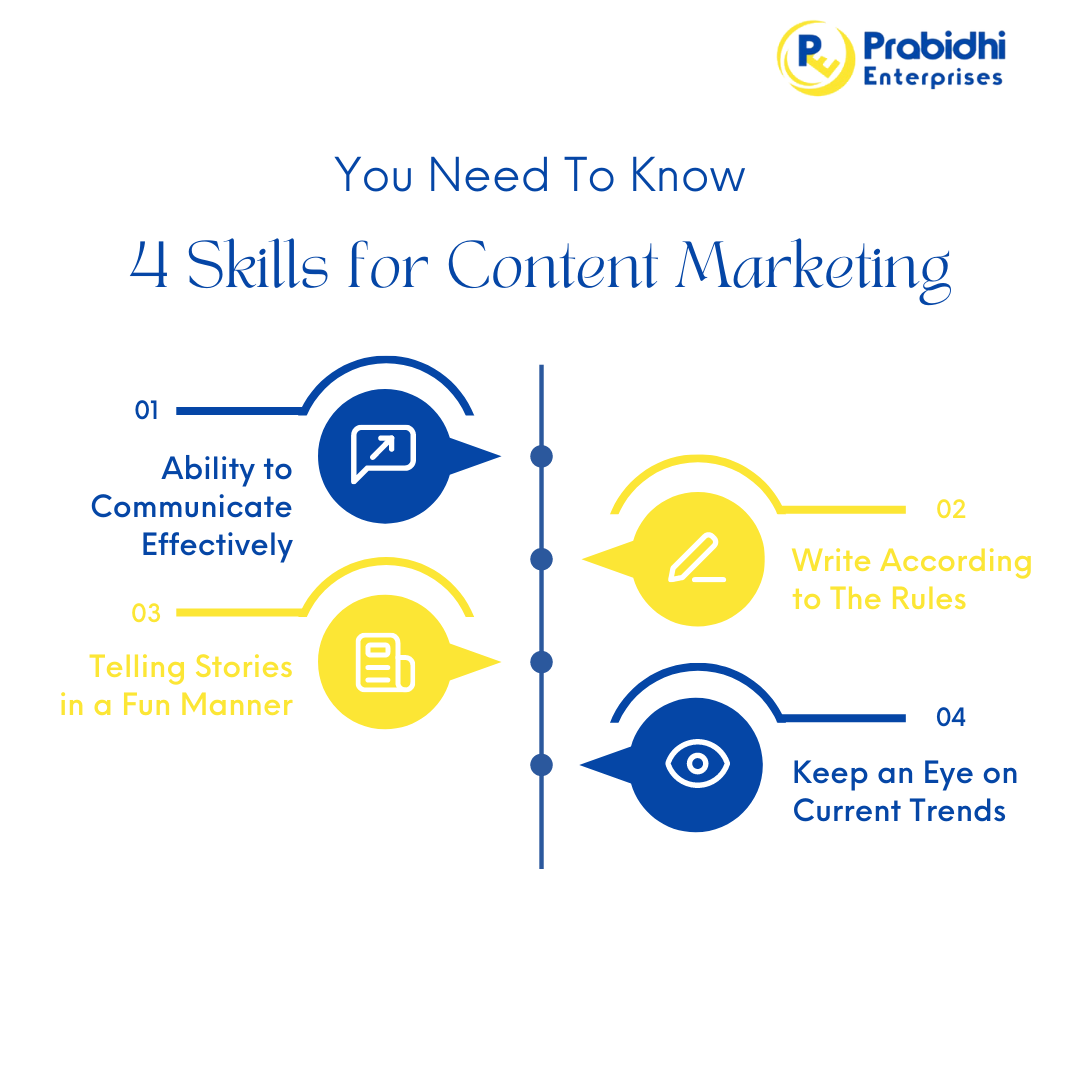
In today's digital age, standing out from the noise has become a necessary skill for any business or brand. With countless websites, blogs, and social media platforms vying for attention, capturing the spotlight can seem like an impossible feat. However, there is a powerful tool that can cut through the clutter and captivate your audience: content marketing. The art of content marketing involves creating and distributing valuable, relevant, and consistent content to attract and engage a specific target audience. From blog posts to videos, infographics to podcasts, content marketing provides endless opportunities to showcase your expertise and build trust with your audience. But how do you ensure your content stands out amidst the sea of information available? In this guide, we will explore the strategies and techniques that will help your content rise above the digital noise and make an impact in the minds of your customers. Whether you're a seasoned content creator or just starting out, this guide will equip you with the tools you need to master the art of content marketing and achieve your business goals.
What is content marketing?
Content marketing is a strategic approach to marketing that focuses on creating and distributing valuable, relevant, and consistent content to attract and retain a clearly defined audience. It is a way for businesses to connect with their target audience by providing them with information or entertainment that is valuable to them. Unlike traditional advertising, which interrupts and disrupts the audience's experience, content marketing aims to provide value and establish a relationship with the audience. It is about creating content that not only promotes your brand but also educates, entertains, or solves a problem for your audience. Whether it's a blog post, a video, an infographic, or a podcast, content marketing allows businesses to showcase their expertise and build trust with their audience.
Content marketing is based on the principle of reciprocity – the idea that if you provide value to your audience without expecting anything in return, they will be more likely to engage with your brand and eventually become customers. By consistently delivering high-quality content that meets the needs and interests of your target audience, you can establish yourself as a thought leader in your industry and gain the trust and loyalty of your customers.
Why is content marketing important?
In today's digital landscape, where consumers are bombarded with advertisements and information from every direction, content marketing has become more important than ever. It allows businesses to cut through the noise and capture the attention of their target audience in a more authentic and meaningful way. Here are some reasons why content marketing is crucial for your business:
1. Builds brand awareness: Content marketing helps you increase your brand visibility and reach a wider audience. By creating valuable and shareable content, you can attract new customers and build awareness for your brand.
2. Establishes credibility and authority: When you consistently produce high-quality content that provides value to your audience, you position yourself as an expert in your industry. This helps you build trust and credibility with your audience, making it more likely that they will choose your products or services over your competitors.
3. Drives organic traffic: Content marketing can improve your website's search engine rankings and attract organic traffic. By optimizing your content for relevant keywords and providing valuable information, you can increase your visibility in search engine results and drive more targeted traffic to your website.
4. Generates leads and sales: By providing valuable content that addresses your audience's pain points and offers solutions, you can attract qualified leads and nurture them through the sales funnel. Content marketing allows you to build relationships with your audience and guide them toward making a purchase decision.
5. Fosters customer loyalty and retention: Content marketing is not just about attracting new customers; it's also about nurturing and retaining existing ones. By consistently delivering valuable content to your audience, you can keep them engaged and build long-term relationships with them.
Understanding your target audience
Before you start creating content, it's essential to have a clear understanding of your target audience. Who are they? What are their needs, interests, and pain points? What motivates them? By understanding your audience, you can create content that is relevant and valuable to them, increasing the chances of engagement and conversion. Here are some steps to help you understand your target audience:
1. Conduct market research: Start by conducting market research to gather information about your target audience. This can include demographics, psychographics, buying behaviors, and preferences. Use tools like surveys, interviews, and analytics to gather data and insights about your audience.
2. Create buyer personas: Once you have gathered the necessary data, use it to create buyer personas – fictional representations of your ideal customers. A buyer persona includes details such as age, gender, occupation, goals, challenges, and motivations. Having buyer personas will help you tailor your content to specific segments of your audience and create content that resonates with them.
3. Monitor social media and online communities: Social media platforms and online communities are great sources of information about your target audience. Monitor conversations, comments, and discussions related to your industry to get a sense of what your audience is talking about and what their pain points and interests are.
4. Engage with your audience: Engage with your audience through social media, blog comments, or email newsletters. Encourage them to provide feedback, ask questions, or share their opinions. By actively listening to your audience, you can gain valuable insights that will inform your content creation strategy.
By understanding your target audience, you can create content that resonates with them and meets their needs. This will help you stand out from the competition and build a loyal and engaged audience.
The power of storytelling in content marketing
Humans have been telling stories since the beginning of time. Stories are a powerful way to connect with others, evoke emotions, and convey information. In content marketing, storytelling is a valuable tool that can help you captivate your audience and make your content more memorable and impactful. Here's why storytelling is important in content marketing:
1. Engages the audience: Stories have the power to capture the attention and engage the audience. By presenting information in the form of a story, you can create an emotional connection with your audience and keep them hooked.
2. Makes information more relatable: Stories make information more relatable and easier to understand. By using anecdotes, examples, or case studies, you can illustrate your points and make them more tangible and relatable to your audience.
3. Elicits emotions: Stories have the ability to evoke emotions in the audience. By tapping into the emotions of your audience, you can create a deeper connection and make your content more memorable.
4. Helps in brand building: Stories are a powerful tool for brand building. By telling stories that reflect your brand values, mission, or vision, you can create a strong brand identity and differentiate yourself from competitors.
To incorporate storytelling into your content marketing strategy, consider the following tips:
1. Start with a compelling hook: Begin your content with a captivating hook that grabs the attention of your audience and makes them want to continue reading or watching.
2. Use personal anecdotes or case studies: Incorporate personal anecdotes or case studies to illustrate your points and make them more relatable.
3. Create a narrative structure: Structure your content like a story, with a beginning, middle, and end. Introduce a problem or challenge, present a solution or resolution, and conclude with a key takeaway.
4. Use visuals: Visuals, such as images, videos, or infographics, can enhance your storytelling and make your content more engaging and memorable.
By incorporating storytelling into your content marketing strategy, you can create content that resonates with your audience and leaves a lasting impression.
Creating valuable and engaging content
Creating valuable and engaging content is key to standing out in the digital noise. Your content should provide value to your audience, solve their problems, or entertain them. Here are some tips to help you create valuable and engaging content:
1. Know your audience: As mentioned earlier, understanding your target audience is crucial. Tailor your content to their needs, interests, and preferences. Use the language they understand and address their pain points.
2. Focus on quality: Quality should always be a priority when creating content. Ensure that your content is well-researched, accurate, and free of grammatical and spelling errors. Use credible sources and cite them if necessary.
3. Be original and unique: Avoid regurgitating information that is already available. Offer a fresh perspective, unique insights, or new ideas. This will make your content stand out and establish you as a thought leader.
4. Use a variety of formats: Experiment with different formats to keep your content fresh and engaging. Mix text with visuals, such as images, videos, or infographics. Consider using interactive elements, such as quizzes or polls, to increase engagement.
5. Optimize for search engines: Optimize your content for search engines to increase its visibility and reach. Use relevant keywords in your headlines, subheadings, and body text. Include meta tags and descriptions to improve your search engine rankings.
6. Write for scanability: Most online readers scan content rather than reading it word for word. Make your content easy to scan by using subheadings, bullet points, and short paragraphs. Highlight key points or important information to draw attention.
7. Encourage audience participation: Engage your audience by encouraging them to participate in the conversation. Ask questions, invite comments, or create polls. This will make your content more interactive and encourage social sharing.
By creating valuable and engaging content, you can attract and retain a loyal audience that will be more likely to engage with your brand and become customers.
Content distribution and promotion strategies
Creating great content is only half the battle; you also need to ensure that it reaches your target audience. Content distribution and promotion strategies play a crucial role in getting your content in front of the right people. Here are some effective strategies to distribute and promote your content:
1. Optimize for search engines: As mentioned earlier, optimize your content for search engines to increase its visibility and reach. Use relevant keywords, meta tags, and descriptions to improve your search engine rankings.
2. Leverage social media: Social media platforms are powerful tools for content distribution and promotion. Identify the platforms where your target audience is most active and create a presence there. Share your content regularly, engage with your audience, and encourage social sharing.
3. Guest blogging: Guest blogging involves writing and publishing articles on other websites or blogs that cater to your target audience. This helps you reach a wider audience and build backlinks to your own website, which can improve your search engine rankings.
4. Email marketing: Email marketing is a highly effective way to distribute and promote your content. Build an email list of interested subscribers and send them regular newsletters or updates with links to your content.
5. Influencer partnerships: Collaborate with influencers or thought leaders in your industry to amplify your content reach. Ask them to share your content with their audience or invite them to contribute to your blog or podcast.
6. Paid advertising: If you have the budget, consider investing in paid advertising to promote your content. Platforms like Google AdWords, Facebook Ads, or LinkedIn Ads allow you to target specific demographics and interests, ensuring that your content reaches the right audience.
7. Repurpose and syndicate content: Repurpose your existing content into different formats, such as videos, infographics, or podcasts. Syndicate your content on platforms like Medium, LinkedIn Pulse, or industry-specific websites to reach a wider audience.
Remember to track the performance of your content distribution and promotion efforts using analytics tools. This will help you identify which strategies are working and make necessary adjustments.
Measuring the success of your content marketing efforts
Measuring the success of your content marketing efforts is crucial to understanding what works and what doesn't. It allows you to make data-driven decisions and optimize your content strategy for better results. Here are some key metrics to track:
1. Website traffic: Monitor your website traffic to see how many visitors your content is attracting. Look at the number of unique visitors, page views, and average time spent on your site.
2. Engagement metrics: Track engagement metrics, such as social shares, comments, likes, or downloads. These metrics indicate how well your content is resonating with your audience and whether they find it valuable.
3. Conversion rates: Measure the conversion rates of your content, whether it's newsletter sign-ups, form submissions, or purchases. This will help you understand how effective your content is at moving your audience through the sales funnel.
4. Search engine rankings: Keep an eye on your search engine rankings for relevant keywords. Improved rankings indicate that your content is optimized well and attracting organic traffic.
5. Backlinks: Track the number and quality of backlinks your content receives. Backlinks are an important factor in search engine rankings and can help increase your content's visibility.
6. Social media metrics: Monitor your social media metrics, such as followers, likes, shares, and comments. These metrics can give you insights into the reach and engagement of your content on social media platforms.
7. Return on investment (ROI): Calculate the ROI of your content marketing efforts by comparing the costs of content creation and promotion with the revenue generated. This will help you determine the effectiveness of your content marketing strategy.
By regularly tracking these metrics, you can gain insights into the performance of your content and make data-driven decisions to improve your content marketing efforts.
Content marketing trends to watch out for
The field of content marketing is constantly evolving, and it's important to stay up-to-date with the latest trends and best practices. Here are some content marketing trends to watch out for in the coming years:
1. Video content: Video content continues to gain popularity and is expected to dominate the content marketing landscape. Consider incorporating video into your content strategy to engage your audience and increase your reach.
2. Live streaming: Live streaming allows you to connect with your audience in real time and create a sense of authenticity and urgency. Platforms like Facebook Live, Instagram Live, or YouTube Live can be used to host live events, Q&A sessions, or product launches.
3. Personalization: Personalization is becoming increasingly important in content marketing. Tailor your content to specific segments of your audience and use data-driven insights to deliver personalized experiences.
4. Voice search optimization: With the rise of voice assistants like Siri, Alexa, and Google Assistant, optimizing your content for voice search is crucial. Consider incorporating long-tail keywords and natural language into your content to improve its visibility in voice search